Meta-Impressionism / Other exhibitions
Exposition Universelle
1855
A universal recognition
Introduction:
The Exposition Universelle of 1855 in Paris was an exhibition of agriculture, industry and fine arts. It integrated the rescheduled Salon.
Joining this art exposition, can be seen as an universal recognition of an artist. It is interesting to see what works were exhibited, which ones were (highly) awarded and which ones were rejected. This page will render some impression. I will render special attention to the partakers of the ‘impressionist’ expositions, to pre-impressionists and para-impressionists. I mostly will limit to exhibited paintings.
At the bottom of this page you will find some background information on this Exposition Universelle.
The exposition was held the 15th of May till the 15th of November in the Palais de l’Industrie. The exposition was organised under the supervision of a committe, that included Delacroix and Ingres.
Most awarded paintings:
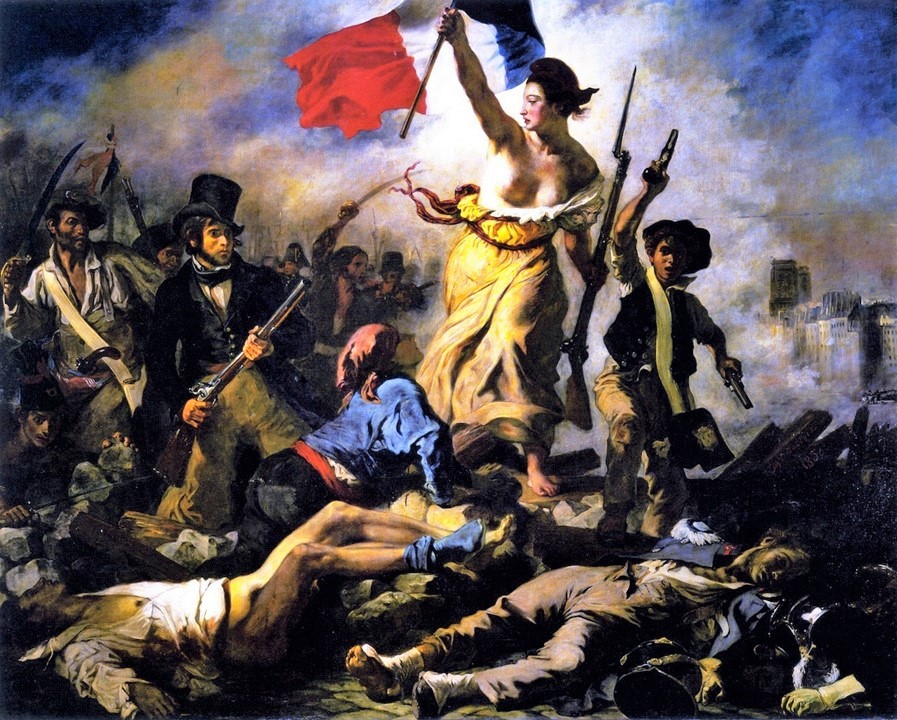
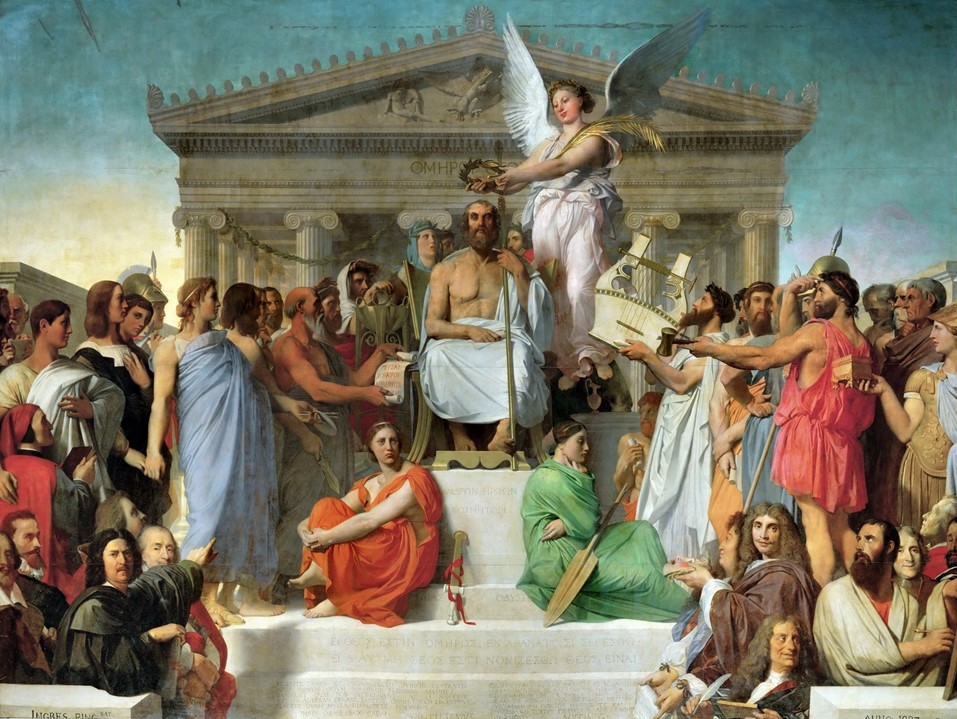
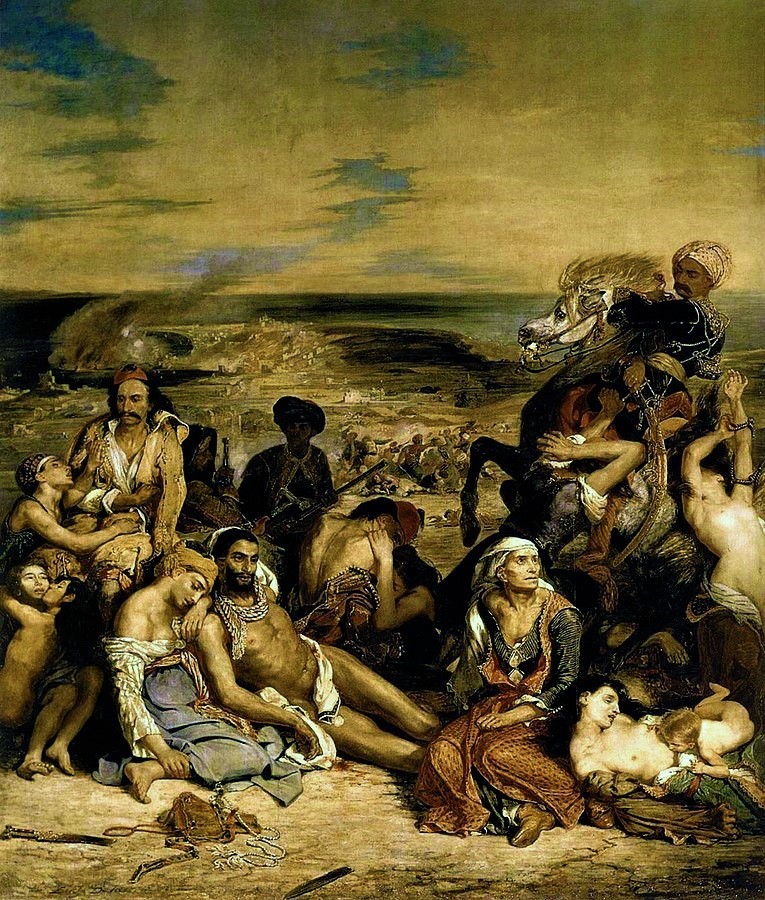
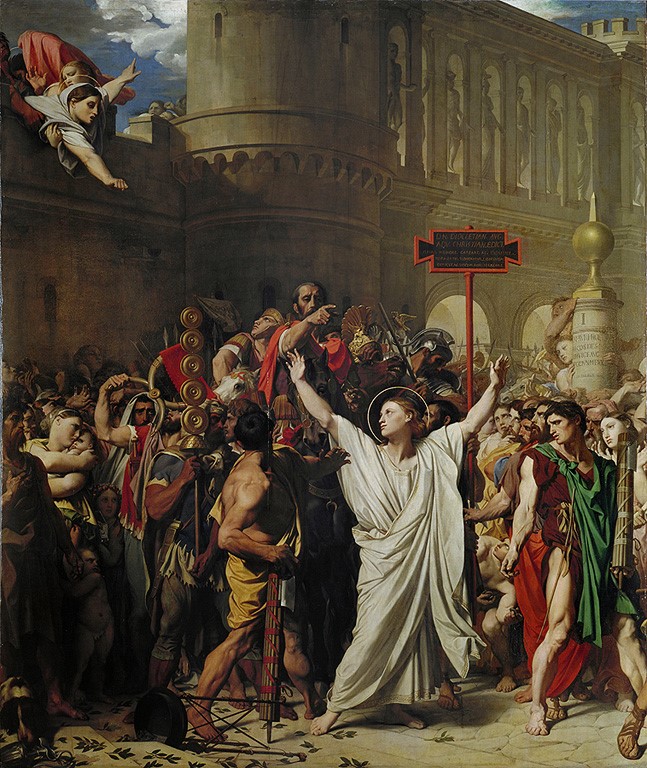
10 Grandes Médailles d’Honneurs were distributed, including for the following 6 French painters: Decamps (Alexandre-Gabriel); Delacroix (Eugène); Heim (François-Joseph); Ingres (Jean-Auguste-Dominiques); Meissonier (Jean-Louis-Ernest); Vernet (Émile-Jean-Horace). (R337/1857) Some of them were honoured with a sort of retrospective, showing very many art-works. Namely Ingres and Delacroix, but also Decamps and Vernet (22x). Ingres and Vernet had a room for their own (aR2,p39).
Decamps showed 45+6=51 art-works (no.2855-2899 +5054-5059); 5 were shown before at the Salon: 11 works with animals, 11 genre paintings (including farms), 8 oriental scenes, 8 figure paintings, 7 religious scenes, 6 landscapes (including hunting scenes), 3 other themes. 8 numbers rendered drawings of which no.2894 contained 9 drawings.
Delacroix showed 35 paintings (no.2908-2942); 30 were shown before at the Salon: this included 12 historical paintings; 5 oriental scenes; 5 themes from literature; 2 religious and 2 mythological paintings; 4 figure paintings; 5 other or undefined works; 1 number (2941) included several paintings.
Heim showed 8 art-works (no.3284-3291); 5 were shown before at the Salon; it included 5 religious and 2 historical themes; number 3291 contained 16 portrait drawings.
Ingres showed 40+1=41 art-works (no.3336-3375 +5048); 8 were shown before at the Salon; it included 13 portraits; 9 historical, 6 religious and 7 mythological scenes; 4 nudes; no.3340 consisted of 25 Cartons de vitraux; no.3375 contained 4 heads of the evangelists.
Meissonier showed 4+5=9 paintings (no.3660-3663 +5057-5061); 4 were shown before at the Salon; it included 1 portrait and probably 8 genre paintings.
Vernet showed 22 paintings (no.4144-4165); 8 were shown before at the Salon; it included 12 historical paintings; 2 religious and 2 mythological themes; 3 oriental scenes and 3 other works.
Here below you will find some of these works, rendered first by form, than alphabetically.





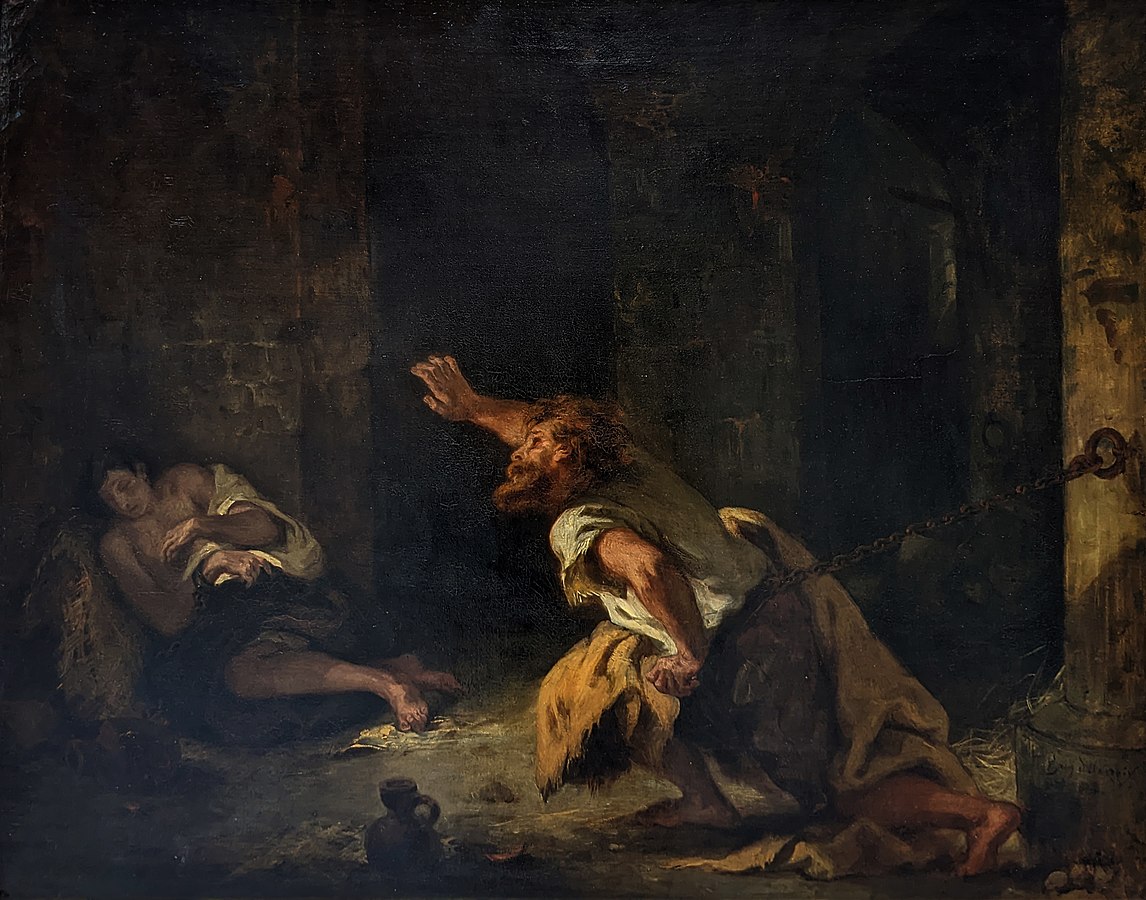


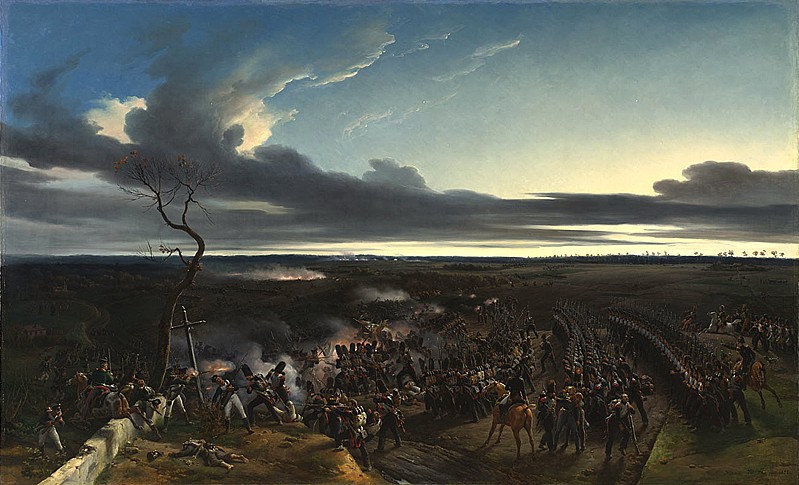
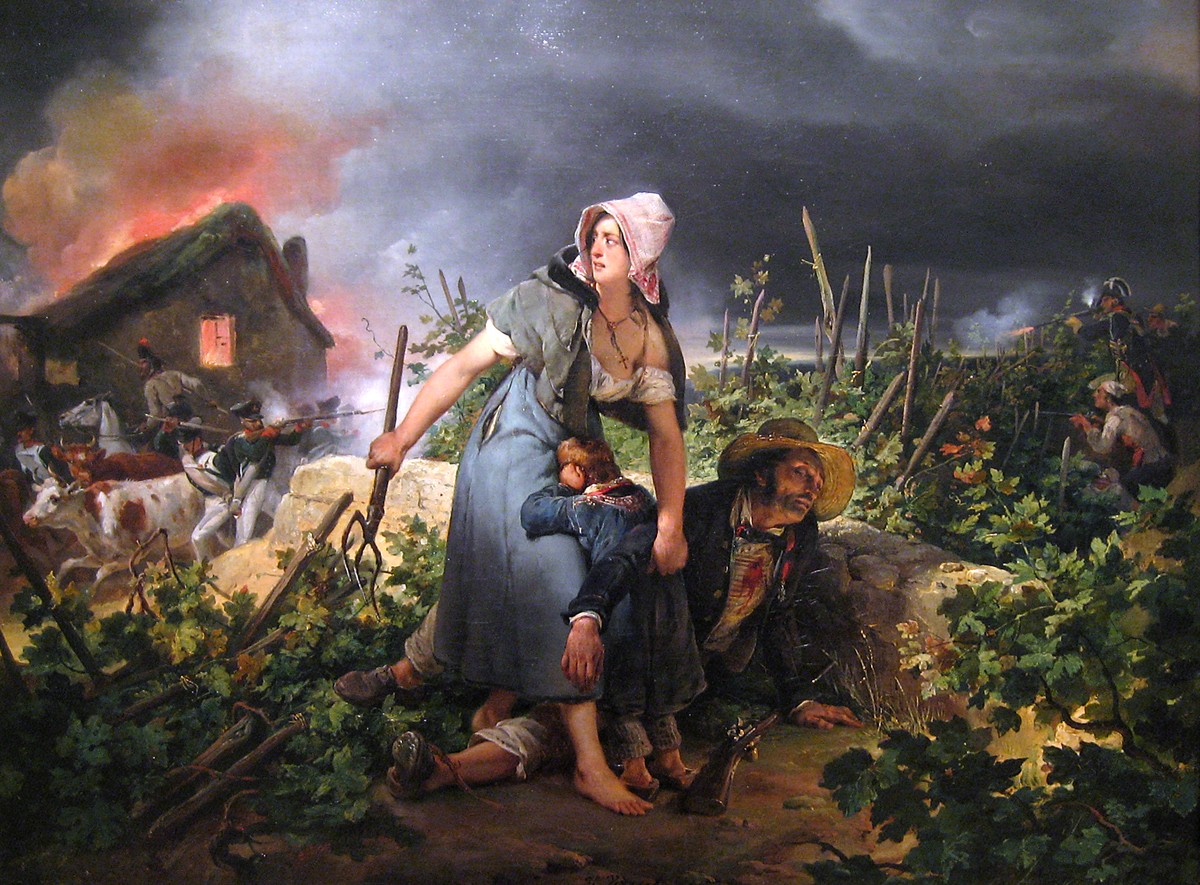
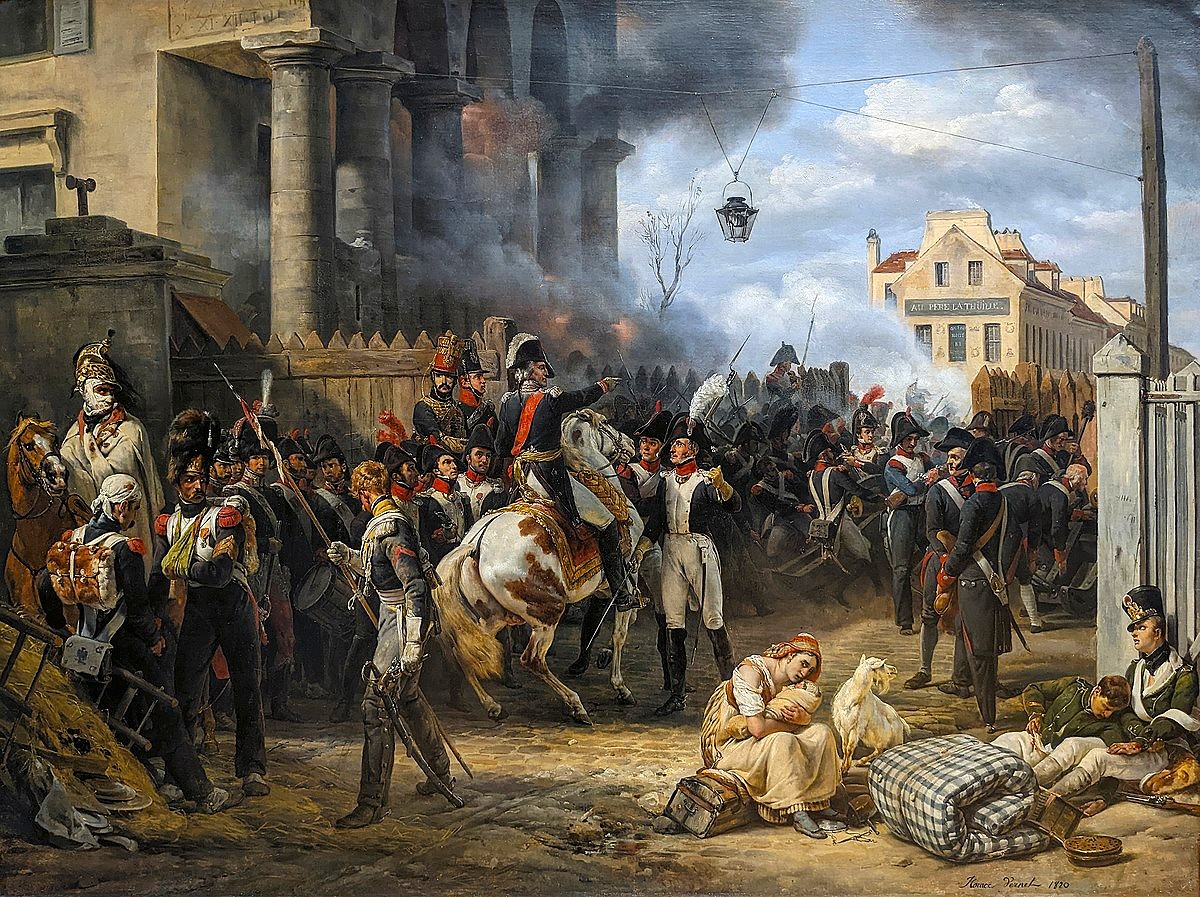
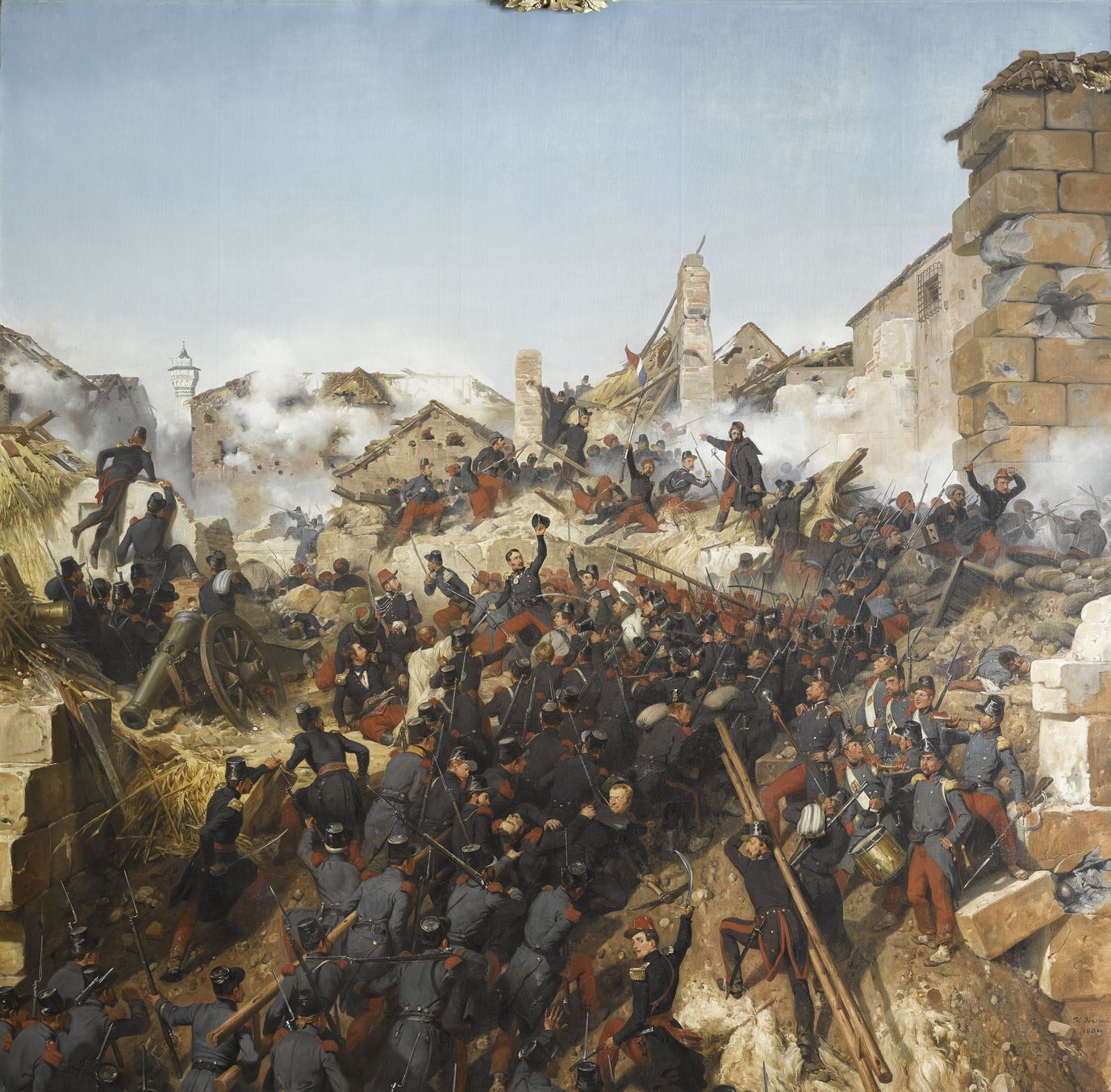
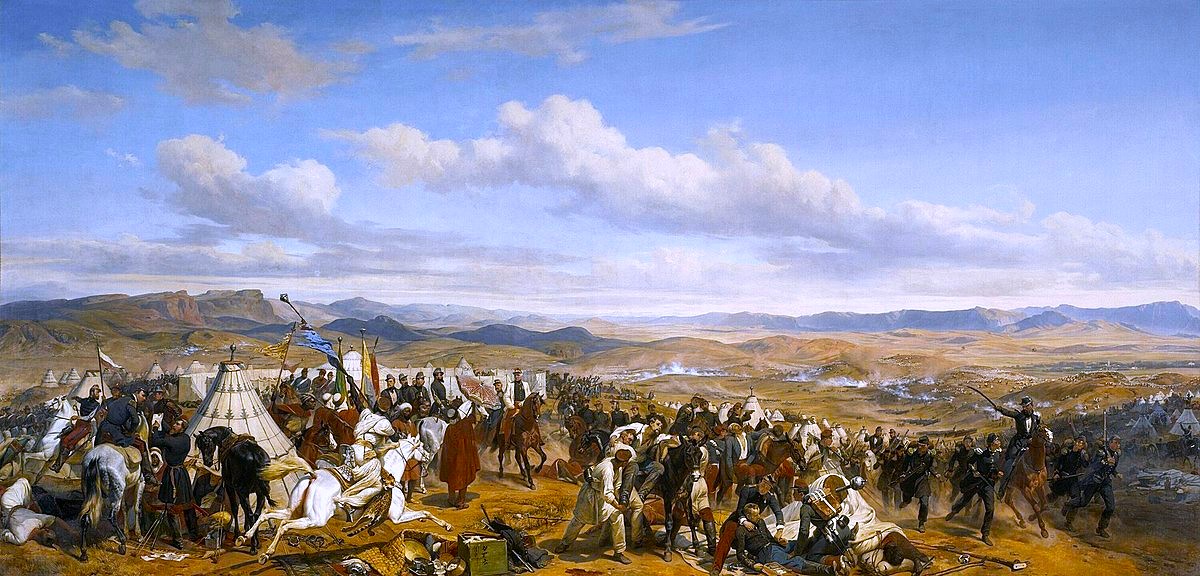
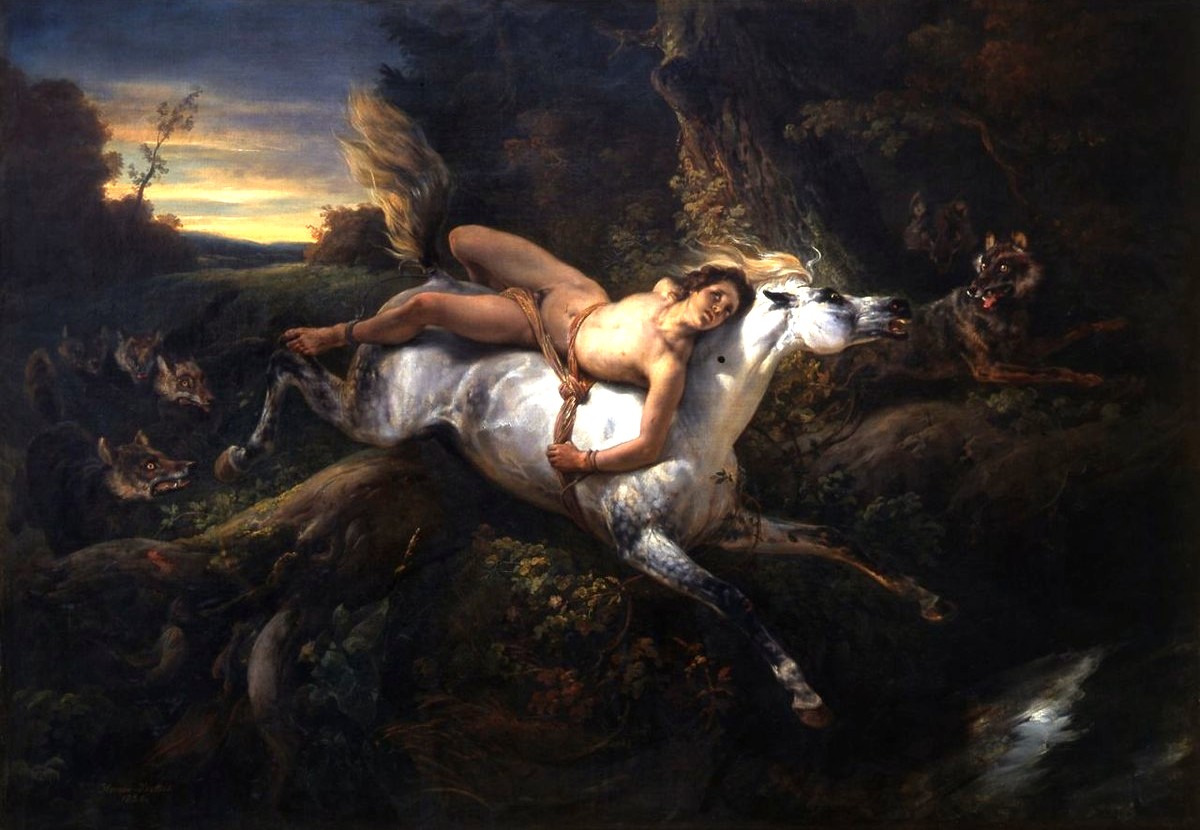
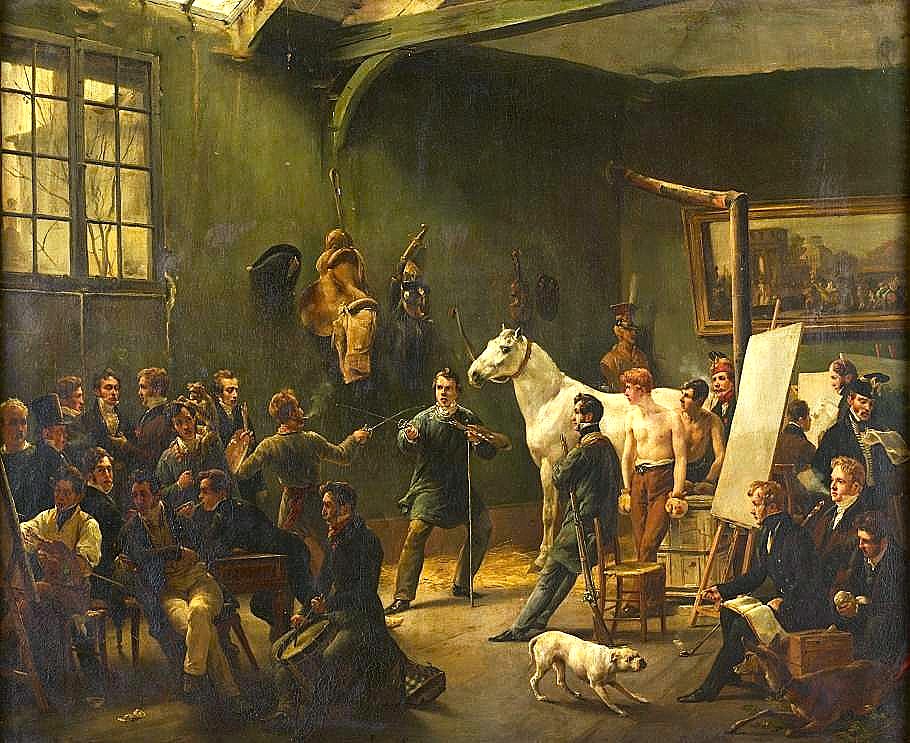
Pictures highly awarded works:
At the Exposition Universelle of 1855 67 French and foreign artists received a medaille de 1er classe. This included pre-impressionists like Rosa Bonheur, Corot, Français, Huet, Rousseau and Troyon. This also included (future) members of L’Institut (Academic painters): Abdel de Pujol, Brascassat, Cabanel, Cogniet, Flandrin, Hébert, Lehmann, Müller, Robert-Fleury, Schnetz, And also meta-impressionists: Thomas Couture, Gudin and Isabey.

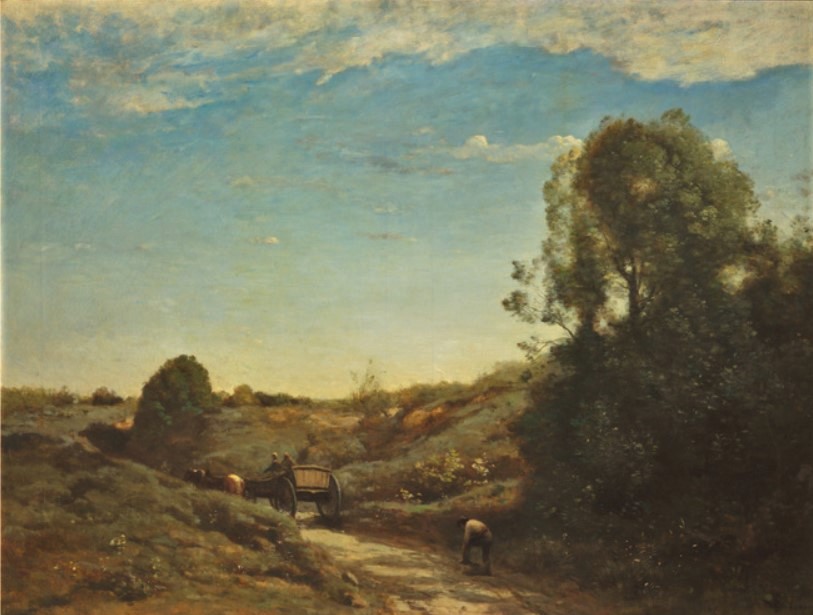


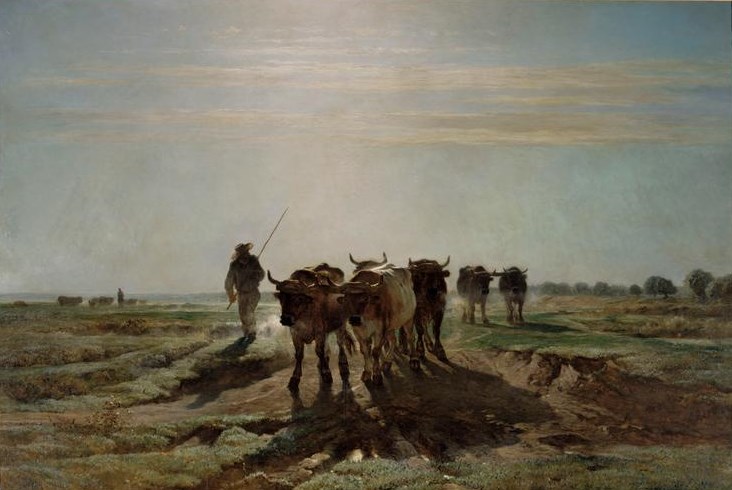

Art-works of the ‘impressionists’:
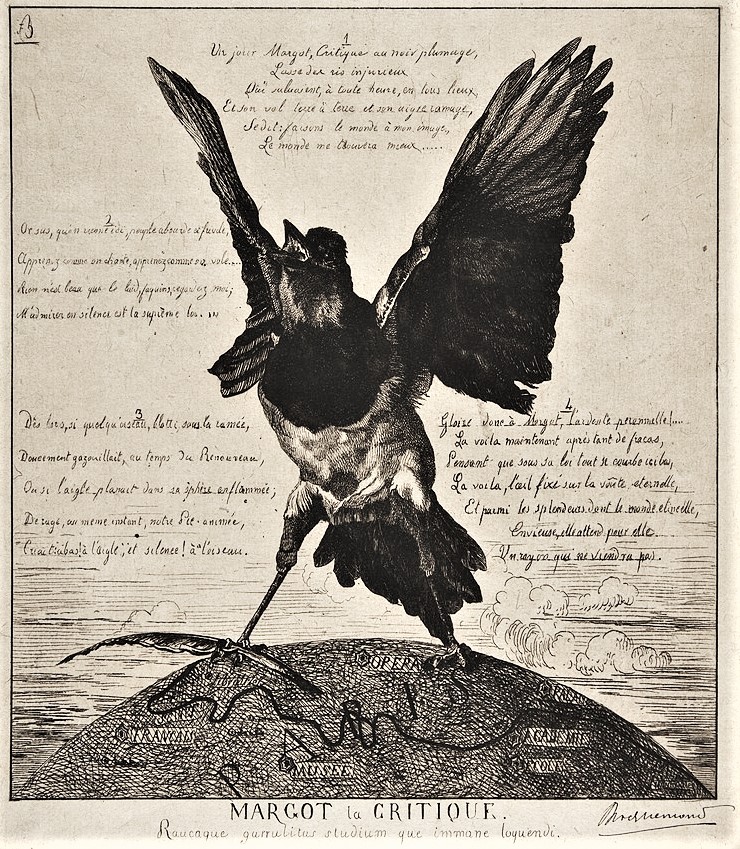
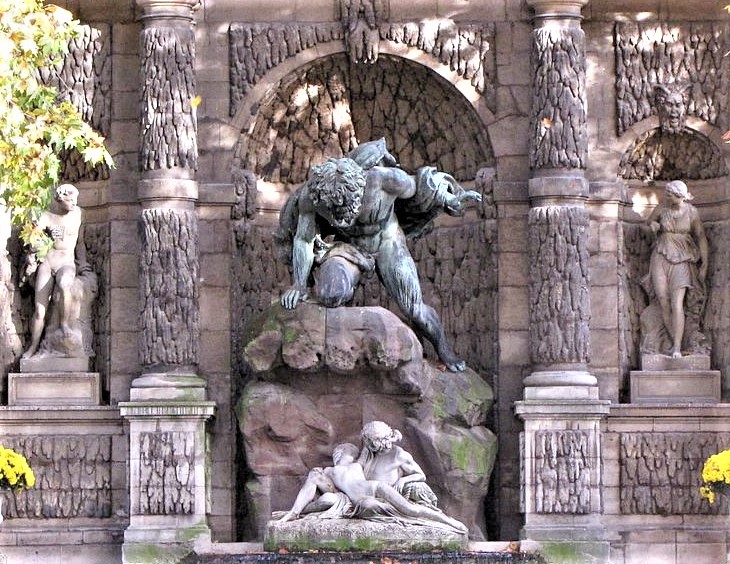
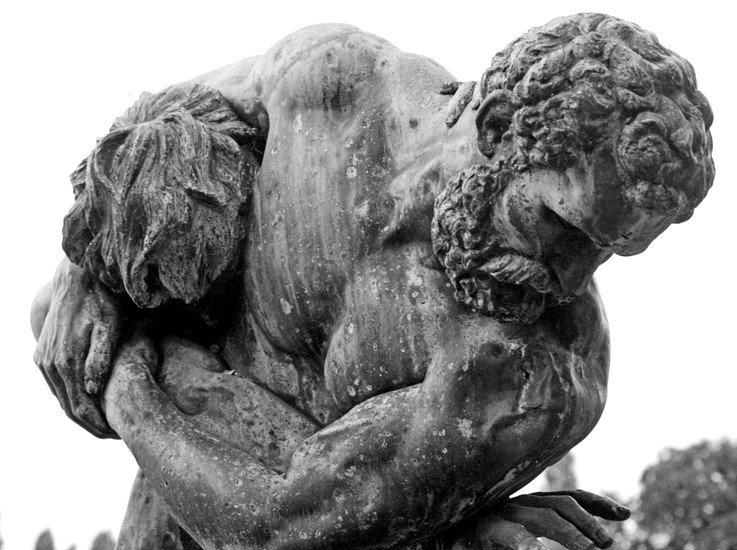
At the Exposition Universelle of 1855 just 4 of the 57 partakers of the ‘impressionist’ expositions showed about 14 art-works. Félix Bracquemond showed a pastel and 4 etchings. Cals showed one painting (a landscape). Auguste Ottin showed a group of 4 statues, which are now in the Jardin du Luxembourg and a buste of Ingres; 1 sculpture was rejected↓↓. Charles Tillot showed 3 landscapes. See also the accounts of these artists.
The works will be shown by form and alphabetically. For several works I don’t have a suggestion.




Other exhibited paintings:
At the Exposition Universelle of 1855 many paintings were exhibited. 87 paintings received a medaille de 2e classe, 77 a medaille de 3e classe and 222 a mention honorables. Here below some of these paintings shown by other artists. Including of Aligny, Bouguereau, Daubigny, Gérôme, Jongkind. (R337/1857)

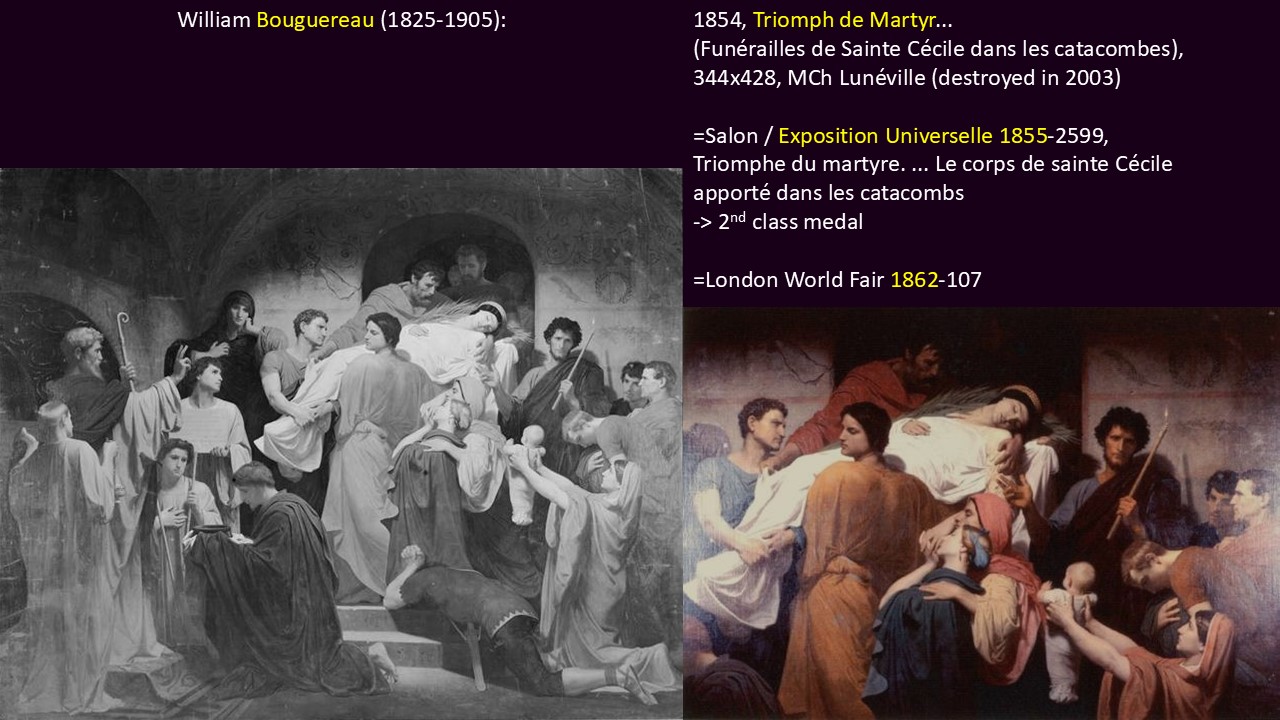
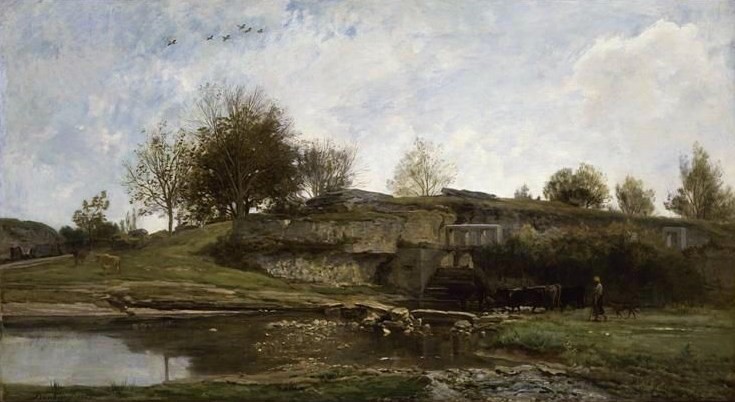

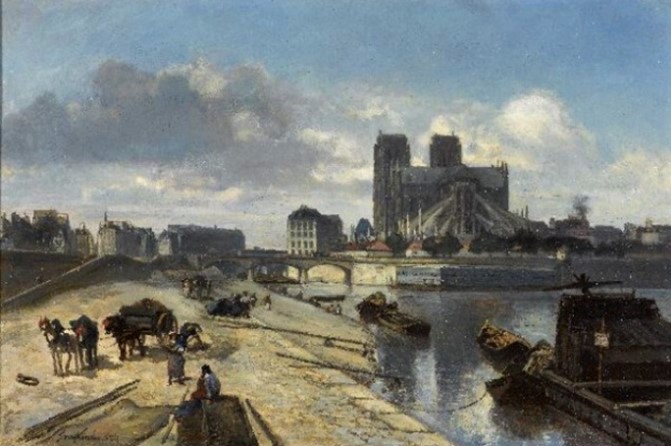

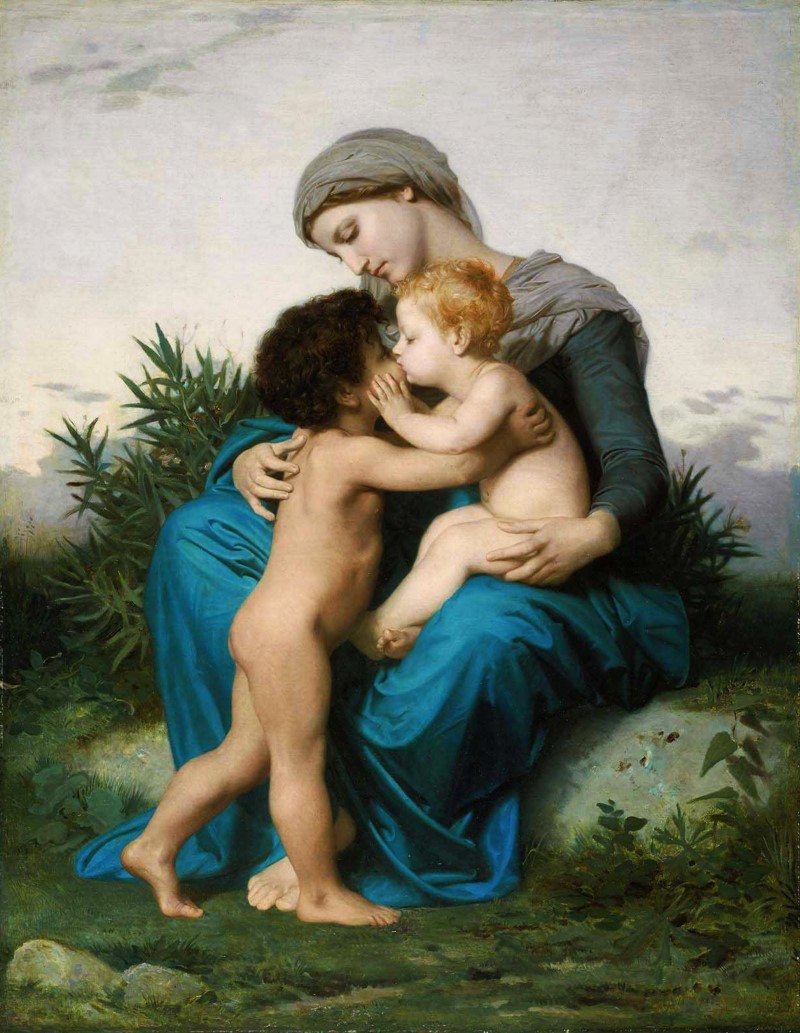
Art-works of foreign artists:
At the Exposition Universelle of 1855 many artists from foreign countries also exhibited. Some received a ‘Grande médaille d’honneur’, like Hendrik Leys from Belgium and some a first class medal, like Alexandre Calame from Switserland (R322,p364+366).


Rejected art-works:
At the Exposition Universelle of 1855 two large paintings of Courbet were rejected. He then withdraw 13 accepted paintings and showed them along with others in his Pavillon du Réalisme.
A sculpture of Auguste Ottin was rejected; it is not clear if it was the plaster (=S1853) or the bronze version (=EU-1867).
Other (partly) rejected artists were: Armand, Bellel, Berchère, de Curzon, Fremiet, Adolphe Leleu, Ottin, Rodakowski, de Tournemine and (absent or rejected) because of political ideas: (?) Paul Delaroche, Gleyre and Ary Scheffer (aR2,p32+38=iR40)


Background information:
The yearly exposition of fine arts (the Salon) of 1854, had been forwarded to 1855 and united with the Exposition Universelle (de l’Industrie) (R231-9,pVIII). So, the Salon was integraded within this Exposition Universelle and not so much cancelled as one source mentions (R322,p362).
The exposition was held the 15th of May till the 15th of November in the Palais de l’Industrie. The exposition was organised under the supervision of a committe, that included Delacroix and Ingres.
The fine arts (groupe VIII) counted 3 sections and each had it’s own jury:
classe 28: peinture, gravure et lithographie
classe 29: sculpture et gravure en médailles
classe 30: architecture (R231-9)
A total of almost 5.000 art-works were exhibited: 2.923 paintings, 684 sculptures, 472 engravings, 155 lithographs and 350 architecture. In total France showed 2.712 (+540) art-works and the foreign countries 2.172 art-works. The largests foreign entries were of Great-Brittain (758), Belgium (270), Prussia (223), Austria (159), Holland (132) and Switserland (111) (aR2,p425/6=iR40; R231-9)
Participating countries:
Austria, Belgium, Denmark, Spain, the USA, Great-Brittain, Mexico, the Netherlands, Pérou, Portugal, Sweden, Norway, Switzerland and Turkey.
Among the participating countries were also parts of Germany*: la Bavière (Bavaria; independent till 1871; iR3); les duchés de Bade et de Nassau (iR3; annexed by Prussia in 1866); la Hesse électorale (iR4) et la grand-duché de Hesse (iR4); Prussia (iR3); la Saxe (iR3); les Villes anséatiques et le Wurtemberg (iR4).
Among the participating countries were also parts of Italy**: le royaume des Deux-Siciles (iR4); Les Etats pontificaux (iR4); le royaume de Sardaigne (iR4); la Toscane (iR4);
Note*: in 1866 Prussia (iR3) annexed some of these former countries and in 1871 most became part of the German empire (iR3); see map (iR3).
Note**: in 1861 the Kingdom of Italy united (most parts of) these former countries (iR4).
Note: Still, in reviews and overviews of entries Germany and also Italy are treated as one country (aR2,p425)
The jury:
President of the jury ‘d’examen et d’admission’ would be Comte de Nieuwerkerke. But, probably this eventially wasn’t so.
The jury d’admission:
The Jury d’admission, section peinture et gravure counted 34 members, including 13 members of l’Institut: Abel de Pujol*, Alaux*, Adalbert de Beaumont, Brascassat*, Duc de Cambacérès, Chaix d’Est-Ange, Couder*, Couture, Dauzats, Delessert, Desnoyers* (gravure), Du Sommerard, H. Flandrin*, Français**, Forster* (libre?), Heim*, Hersent*, (Louis) Lacaze, (Henri) Lehmann**, Léon Cogniet*, Léon Noel, Marquis Maison, (Adolphe) Moreau, Mouilleron, Müller**, Picot*, Place, De Reiset (conservateur au Louvre), Robert-Fleury*, Rousseau, De Tromelin (député au Corps Législatif), Troyon, Vernet* (replaced by vicomte Lezay-Marnézia), Villot (conservateur du Louvre).
The additional Imperial commission for painting counted 8 members: S.A.I. le Prince Napoléon (president); S.E.M Le Ministre d’État; S.E.M. Le Comte de Morny; Ingres* (replaced by Meissonier**); Le Marquis de Pastoret* (libre), Delacroix**, Thibaudeau, De Mercey.
The sculpture section counted 18 members, including 10 members of l’Institut + 7 from the imperial commission. The architecture section counted 12 members, including 7 members of l’Institut + 3 from the imperial commission.
There were also 3 members of the Legislative Body (député au Corps législatif): Troyon, Vernet*, Villot.
Jury des Récompenses:
The international jury for the awards of the section ‘de peinture, gravure et lithographie’ consisted of: President: Comte de morny (président du Corps Législatif, président de la section des Beaux-Arts, dela commission impérial); vice-president: Lord Elcho (British); secretaire: Alfred Arago (inspecteur générale des Beaux-Arts). Additionally there were 11 à 13 French members of which 7 were member of l’Institut: Alaux*; Dauzats (added?); Delacroix**; Français**; Ingres*; De Mercey (chef de la section des beaux-arts au ministère d’État, commissaire générale de l’Exposition des Beaux-Arts); Forster* (libre; replaced?); Mouilleron; Marquis de Pastoret* (libre); Picot*; Robert-Fleury*; Vernet*; Villot (conservateur du Louvre; added?) and 15 (+1?) foreign members.
The section de sculpture et gravure en médailles counted 19 members; 11 were french and 6 were member of l’Institut, including de Nieuwerkerke (vice-president). The architecture section counted 10 members; of the 7 french members 3 were member of l’Institut.
Note*: member of l’Institut, the painting section (see Academic painters), unless otherwise indicated.
Note**: future member of l’Institut, the painting section (see Academic painters).
Sources: aR4,p1373, aR2,p32+33; R337/1857; R231-9;
The awards:
1855/11/15 the awards were distributed. At the Exposition Universelle as a whole the following numbers of awards were distributed: 112 Grandes Médailles d’honneurs; 252 médailles d’honneur; 2300 medailles de 1er classe; 3900 medailles de 2nd classe; 4000 mentions honorables. For the Fine Arts section the following numbers of awards were distributed: 40 decorations distributed by the Emperor; 16 médailles d’honneur (voted by the jury); 67 medailles de 1er classe; 87 medailles de 2e classe; 77 (?) médailles de 3e classe; 222 mentions honorables. (R337/1857)
Les Beaux-Arts à l’Exposition Universelle de 1855 (=aR2):
This book, written by Maxime du Camp the 14th of September, reflects on various aspects of the Exposition Universelle of 1855.
Chapter I is on the Exposition Universelle of 1855 in general (p31-39).
Chapter II is dedicted to Ingres (p40-86).
Chapter III is dedicted to Delacroix (p87-118).
Chapter IV is dedicted to Descamps (p119-155).
Chapter V is dedicted to ‘peinture d’histoire’ (p156-217).
Chapter VI is dedicted to genre painting (p218-236).
The writer claims: “Genre painting is increasingly replacing history painting; the division of wealth, the cramped living conditions, and the welcome democratization of customs will soon give it pride of place among the arts appropriate to our civilization. (aR2,p218)”
He discerns 3 schools: 1. Les romantiques primitifs, including Isabay, Robert-Fleury, Meissonier, Diaz; 2. Romantique nouveaux, including: Bonvin; 3. Pseudo-Classiques, including Pils.
He ends this chapter with Courbet: “Mr. Courbet could have served as a natural transition between genre painting and landscape painting…”, being quite critical: “he lacks the fundamental qualities” (aR2,p236).
Chapter VII is dedicted to landscape painting (p237-260).
He is glad with the renewels since 1830 in landscape painting and that the ‘paysage historique’ is about to vanish (representated by Aligny and others) (aR2,p238).
Chapter VIII is dedicted to portraits and drawings (p261-269).
Chapter IX is dedicted to sculpture (p270-296).
On Auguste Ottin he writes: “Mr. Ottin gradually breaks free; he shakes off as best he can the tyranny of the academic teachings he received at the Villa Medici; he struggles against a tradition that no longer satisfies him today.” He had already succeeded in this with his ‘Lutteurs’, but this was rejected. “It would have been one of the best in the current exhibition.” (aR2,p293)
The next chapters are on the foreign entries: England (X), Belgium (XI), several countries (XII), Germany (XIII+XIV), Italy (XV).
He states “In terms of art, the United States of America does not yet exist, and Spain no longer exists. (aR2,p340)”
In the last chapter (XVI) he draws some conclusions: the Exposition “failed to generate any enthusiasm among the audience” and: “When science and industry produce new wonders every day, it is shameful that art remains stagnant, pagan, frivolous, and constantly bowing down before old fetishes eaten away by the worms of the past.” (aR2,p403+420)
Napoléon III:
1851/12/02 Louis Napoléon, after a coup d’état (iR3), had become Emperor Napoléon III (iR3).
The introduction of the catalogue of the Exposition Universelle writes:
“Napoléon, par la grâce de Dieu et la volonté nationale Empereur des français…” (R231-9,pVII)
(Napoleon, by the grace of God and the will of the nation, Emperor of the French…)
A good example of how authoritarian leaders misuse God and the will of the people.
And it still happens today…
Sources:
See at the bottom of the main page on the Expositions Universelle.
See link for the subscriptions of the paintings.
Additional references:
- 1855, Paris. Exposition Universelle de 1855; explication des ouvrages (dn790005.ca.archive.org =iR19=R231-9) (with exhibited art-works of foreign countries and France)
- 1855, Paris. Maxime du Camp: Les Beaux-Arts à l’Exposition Universelle de 1855 (considerations about the exhibited art-works) (gallica.bnf.fr/6528209v =iR40)
- 1855, Paris. Catalogue Officiel Exposition Universelle 1855 (complete catalogue of all objects presented, excluding the works of art) (gallica.bnf.fr/bpt6k97652895 =iR40; dn790004.ca.archive.org =iR19)
- CNUM.CNAM.fr//1461/1664 (page on the jury of the Exposition Universelle of 1855; =iR488)
Recommanded citation: “Meta-Impressionism / other expositions: Exposition Universelle 1855 in Paris. Last modified 2025/12/09. https://www.impressionism.nl/exposition-universelle-1855/”
Note: Info and pictures will follow.