Impressionism, a historical reconstruction
Myths on Impressionism
A plea for a more nuanced view
Introduction:
In sources on Impressionism you can find many myths on Impressionism. Namely the myth that the ‘impressionists’ were rejected by the establishment in the art-world in the second half of the 19th century in France and that they rebelled against it. These are exaggerated view points that are just partly true. It renders a Hegelian view on art-history emphasizing the contradiction between the traditional painting style (Néo-Classicism) with the avantgarde painting style, which is called ‘impressionism’. You also could call it a Hollywood perspective with good and bad guys, with the hero who is being opposed and in the end triumphs. This website is a plea for a more nuanced view.
On this page you will find several of these myths shortly mentioned and you will be referred to other pages with more info.
Myth: The impressionists were mostly rejected for the Salon:
In many sources on Impressionism you can find the myth that the impressionists were mostly rejected for the Salon (Rx; iR428; iR422; iR418; iR427; iR202). Already in his preface on the 1875/03/24 auction sale Philippe Burty wrote about the impressionists as ‘by a group of artists systematically excluded from the Salon’ (iR40). But, in fact they were more often accepted than rejected.


Myth: Courbet was rejected for the Exposition Universelle in 1855:
Several sources on Impressionism suggest that Courbet was rejected for the Exposition Universelle in 1855 and organised a solo exhibition in his Paviljon du Realisme. In reality just two large paintings↓ were rejected and 13 paintings were even noted in the catalogue, but Courbet did withdraw them.


Myth: The importance of the Salon des Refusés of 1863:
Many sources on Impressionism extensively mention the Salon des Refusés of 1863 (iR427). Denvir (1993) almost starts his book ‘The Chronicle of Impressionism’ with this exhibition (R5,p24). But, just 9 partakers of the the ‘impressionist’ expositions joined this Salon des Refusés, which was ordained by the emperor and not independant. This makes it less relevant as item for Impressionism. But, it is true this Salon des Refusés was the start of the search for an alternative for the Salon.
Myth: The importance of ‘Déjeuner sur l’herbe’:
Almost in all sources on Impressionism the painting ‘Déjeuner sur l’herbe’ of Edouard Manet is mentioned and often depicted (R5,p27; iR427; ). It was shown at the Salon des Refusés of 1863 and highly criticised. Emile Zola would later in 1886 extensively describe this criticism in his novel L’oeuvre (the master piece): ‘The laughter, that which swelled and expanded, came to a climax here. It was his painting that was laughed at.’ (R292,p155). But, Manet painted this work in his studio, he used sub-dued colours and many blacks. So, it was not made in an impressionist painting style and in this sense doesn’t belong in sources on Impressionism. More interesting would be the painting ‘A Game of Pelota under the Walls of Hondarribia’ of Gustave Colin that was also exhibited.


Myth: The impressionists were mostly criticised and scorned at:
Many sources on Impressionism mention that the impressionist were mostly criticised, namely in 1874. Rewald (R1,p318) remarks that ’the critics were either extremely harsh in their comments or simply refused to consider the show seriously’ and next cites most of the negative and cynical review of Leroy (R1,p318-324). Impressionistsarts states that in 1874 ’the reviews were overwhelmingly negative (iR374). But, in fact the majority of the reviews in 1874 were positive or neutral. It is true that the impressionists often were critised and ridiculed, namely at the later ‘impressionist’ expositions, but there often were also positive reviews. Rewald also claims that the public ‘went there mainly to laugh’, but later refers to a novel of Emile Zola who dramatised the Salon des Refusés of 1863↑ (R1,p318+328).
Rewald stated that the press was as violent as before (R1,p368) and Monneret ‘generally disastrous’ (R88II,p238), but infact about 1/3 was more positive, 1/3 more negative and 1/3 mixed or more neutral, see reviews.
Sources: Rewald 1973 (=R1); iR374; iR427; iR429.
Myth: Leroy gave the name “impressionists”:
In most sources on Impressionism there is a reference to the negative and cynical review of Leroy on the 1st ‘impressionist’ exposition in 1874 that was called “L’exposition des impressionnistes”. Rewald (1973) in his famous ‘History of Impressionisme’ even rendered most of this review in the chapter about the origin of the word “impressionism” (R1,p318-324). Often it is stated or at least implied that it was Leroy in this review that invented the name “impressionists” and also that he did so referring to ‘Soleil levant, Impression’ of Monet (iR417; iR418; iR426; iR424; iR202; iR430; iR15; M21). But instead, it was Castagnary, in a (partly positive, partly negative) review, who explicitly gave the partakers the name ‘impressionists’ and who connected this term with this painting of Monet. And already in a review on the Salon of 1870 Théodore Duret already spoke of ‘impressionists’.
Sources: R357-1927,p17;R2,p490;R5,p88;R7,p26/27.


Myth: the sales at the 1875 auction were a disaster:
1875/03/24 there was an auction held at Hôtel Drouot called ‘Tableaux et aquarelles par Cl. Monet, B. Morisot, A. Renoir, A. Sisley‘. Initiated by Renoir the Impressionists tried their luck and offered 73 works for sale. Much later in 1904 Renoir called this sale ‘a disaster’ and in 1922 the art-dealer Durand-Ruel called it a ‘fiasco, with many paintings fetching little more than the price of their (superb) frames’. (R460,p118;R1,p354). But, is this true?
Even if we subtract the works they (indirectly) bought back, the results were more than a years wages (which was somewhere between 1.000 and 2.000fr a year). The average price of 158,90 franc per art-work is comparatively low, but not dramaticly low. See seperate page on this auction.
Myth: The impressionists rebelled against the Salon:
In many sources on Impressionism it is stated that the impressionists rebelled against the Salon, as bastion of the conservative art-world in those days. Denvir (1993) starts his book ‘The Chronicle of Impressionism’ with the chapter ‘1863, art in rebellion’ (R5,p24). In reality several Key-Impressionists had an ambivalent relationship with the Salon, again submitting to the Salon after they had joined the first ‘impressionist’ expositions.
Sources: R88II,p232; iR202; .


Myth: The impressionists rebelled against the Academic way of painting:
Many sources on Impressionism state that the impressionist rebelled against the Academic way of painting (Rx; iR427; ). Keller wrote about throwing away ’the conventions and academic tangles’ (R19,p9). This way was teached at the École des Beaux-Arts, at the Art-Workshops, was demanded for the Prix de Rome, supervised by the members of L’Institut and shown and awarded at the Salon and the Exposition Universelle. This Academic way of painting had it’s roots in Néo-Classicism.
In fact after Néo-Classicism other art-movements emerged: Romantism, Realism, Naturalism and the Barbizon School. These movements also influenced the status quo of the art-world in those days.
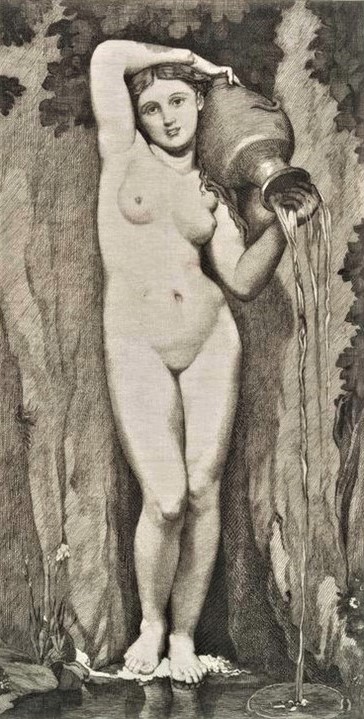
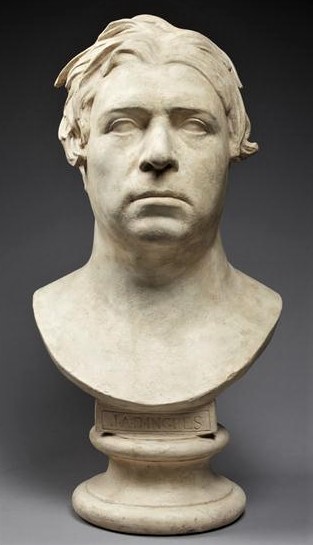
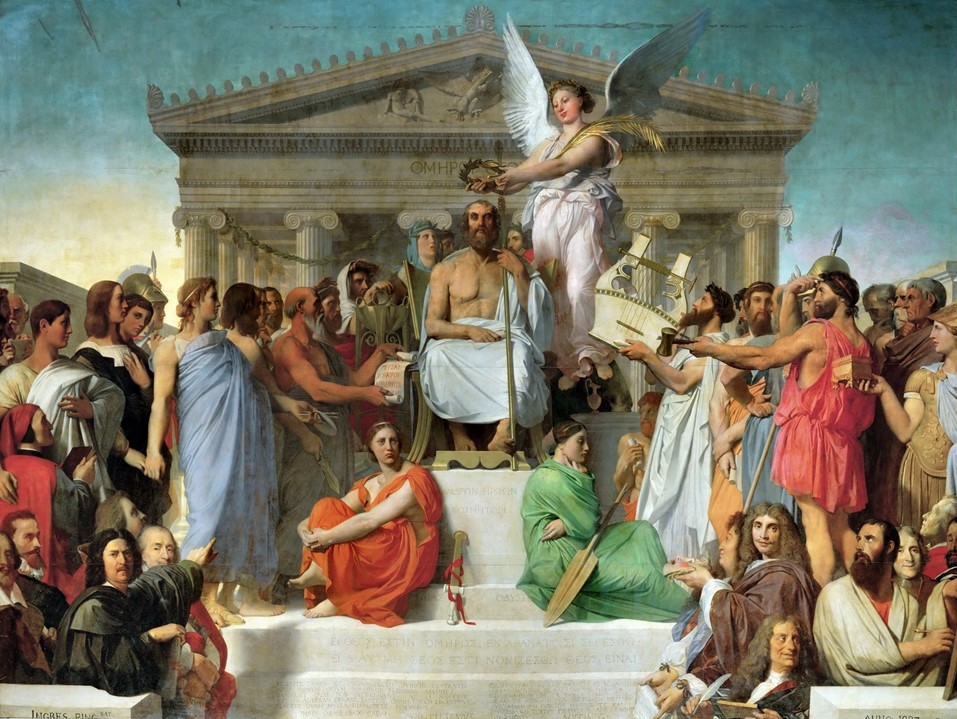
On the other hand Ingres, the key figure in Néo-Classicism, was admired by several ‘impressionists’, namely Degas, Renoir (since 1883) and honoured at the 1st ‘impressionist’ exposition in 1874, by Félix Bracquemond and Auguste Ottin.


Myth: Manet is an important impressionist:
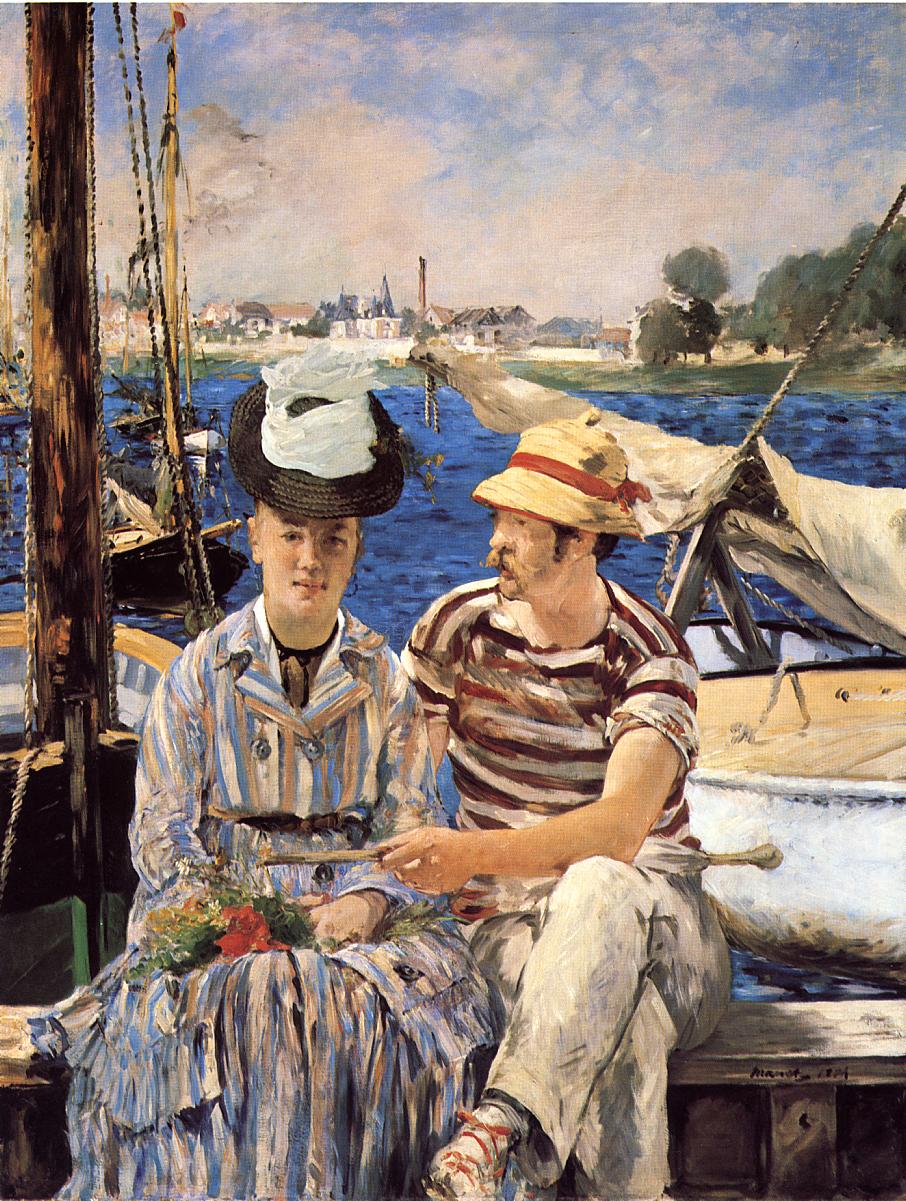
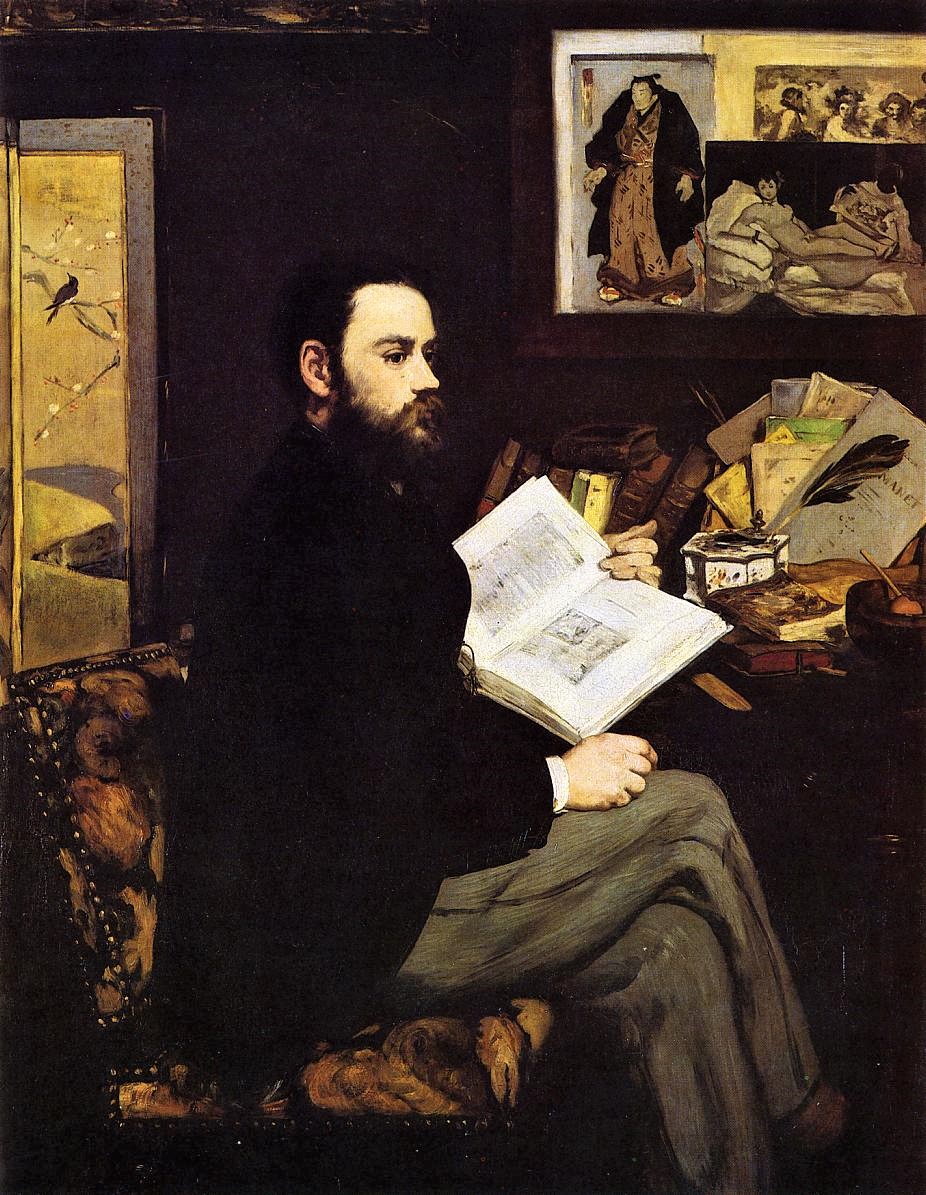
In many sources on Impressionism you will find several paintings of Edouard Manet. At the Centennial exhibition in 1974 there were even 5 paintings shown by Manet, while he never did exhibit at the ‘impressionist’ expositions. Other sources on the 1st ‘impressionist’ exposition also render many pictures of Manet. Horst Keller wrote in 1974 in his book ‘The art of the (french) Impressionists’ referring to the painting Argenteuil of Manet: “No other work is more suitable as introduction of Impressionism, the art-movement, born from the meeting of comradely and enthousiastic artists who had decided following Manet, to through away from them all the conventions and academic tangles.” And also “And it is in Argenteuil, that 100 years ago, the movement was born, who meant the beginning of modern art and of all daring aesthetic experiments of the 20th century.” (R19,p9+7)
Sources: R87,no19-24; iR374;

Myth: only the impressionists painted en-plein-air:
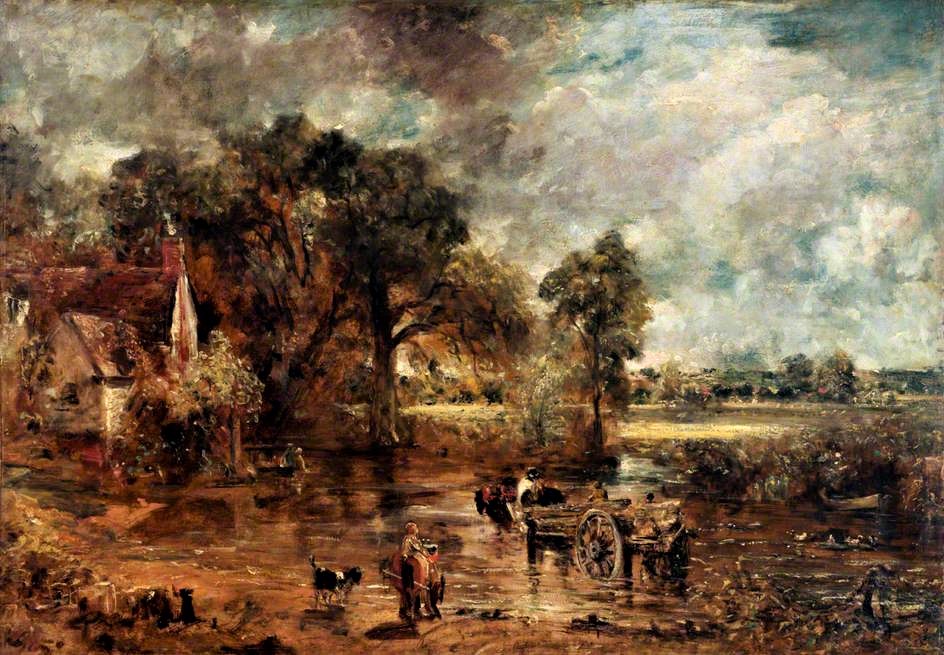
In many sources on Impressionism it is suggested that only the impressionists painted en-plein-air (iR59; M21). But in fact many Barbizon painters and English landscapists like Constable, also painted in the open. And Monet often finished his paintings in his studio.

Myth: Only Néo-Classicists were highly awarded:
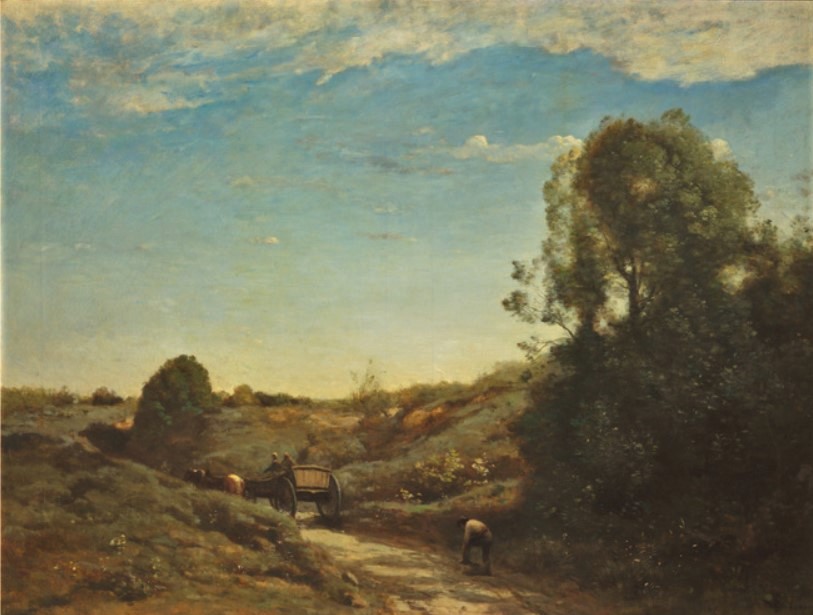
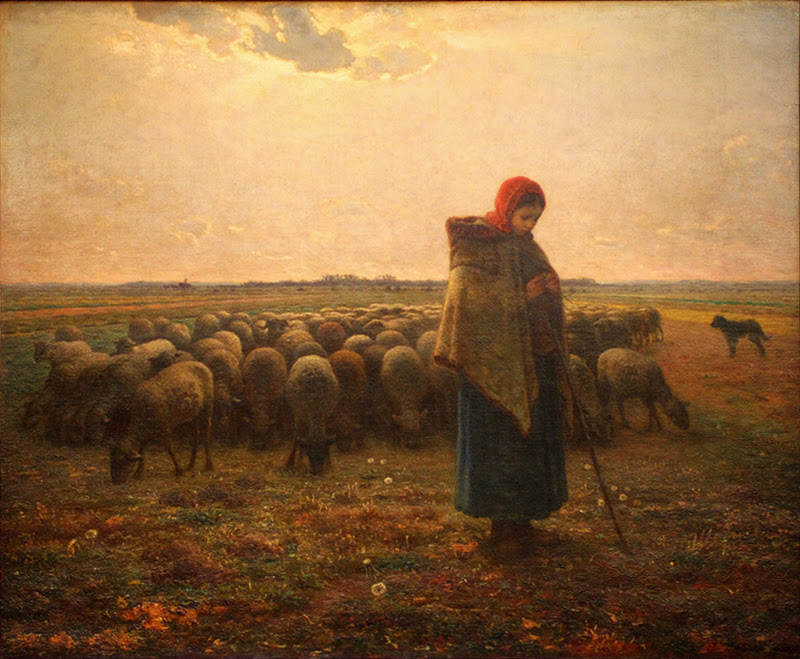
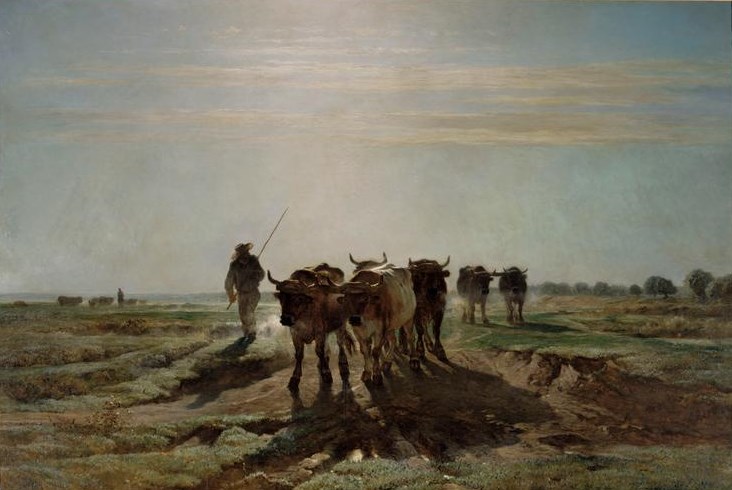
In sources on Impressionism the Salon is mostly represented as a bastion of Néo-Classicism. Sometimes it is suggested that namely historical, religious and mythological art-works were accepted and awarded. But this is not true. Many Barbizon painters were (highly) awarded at the Salon and also at the Exposition Universelle in 1855 and 1867. Some of them had been part of the jury of the Salon.

Myth: mainly Néo-Classical paintings were accepted at the Salon:
Another myth we find in sources on Impressionism is that at the Salon only Neo-Classical paintings with historical, mythological and religious themes were accepted (iR202; M21). But when we look at the titles of the paintings exhibited at the Salon, we discern many landscapes, maybe even more than Neo-Classical titles (iR1). Between 1830 and 1848 1/3 of the exhibited works were landscapes (R290,p54+65).
Myth: The Néo-Classicists used sub-dued colours:
In sources on Impressionism the painting style of the Impressionists is opposed to that of Néo-Classicism. The historical, religious and mythological themes are opposed to the every day life scenes of the ‘impressionists’. The vivid, juxtaposed brushstroke of the Impressionists is opposed to the smooth brushstroke of the Néo-Classicists using blended colours. These indeed are remarkable differences. But stating that the Néo-Classicist used sub-dued colours is mostly untrue.
Sources: iR374; iR422; .

Sources:
See the link for the general References (=Rx) and to the internet references (=iRx).
See also the sources mentioned on the linked pages.
Recommanded citation: “Myths on Impressionism; a plea for a more nuanced view. Last modified 2026/09/13. https://www.impressionism.nl/myths-on-impressionism/”
Note: additional info and pictures will be added.